
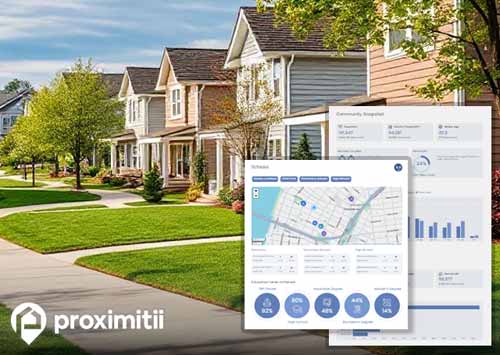
Pulaski is a smaller city located in the state of Tennessee. The city has a population of 7,908 inhabitants. The majority of Pulaski residents report their race to be White; this is followed by Black and Asian. Pulaski is very likely to be a great place to live for singles as only 47%, of the population (over fifteen) are classified as married. If you prefer shorter commutes, living in Pulaski will be a delight. With an average one-way commute time of just 20 minutes, traveling to and from work is notably more convenient than the national average, which stands at 26 minutes.
Without the right tools, relocating to any new area can be very stressful and challenging. Living in Pulaski, Tennessee could be a good experience for anyone who puts in the time to do the research required. When searching for a new neighborhood, several key items should be considered. Safety is paramount, ensuring a secure environment for you and your family. Proximity to workplaces or schools reduces commuting time and enhances convenience. Access to amenities like parks, grocery stores and healthcare facilities contributes to a comfortable lifestyle. Reliable public transportation options promote easy mobility. A strong sense of community fosters social connections and a welcoming atmosphere. The best areas in Pulaski and in surrounding cities are easier to find when you are able to make informed decisions. Using data from crime, commute, education, you will see a detailed breakdown of the most important information as well as comparisons to the Tennessee and national averages.
Pulaski, TN receives 67 out of 100 for its livability score; this results in a ranking of #102 in Tennessee and #9,882 in the USA. There are nine total categories that create the livability score. Pulaski ranks well for housing (A+) Pulaski does not fare well for the following: amenities (F), crime (F), education (F) and employment (F). It might be wise to take a closer look at each category to find out why.
A robust real estate market serves as a crucial economic indicator, reflecting the local area's strength, stability and the confidence of its residents. Pulaski excels in the housing sector, scoring high marks based on factors such as median home and rental prices, appreciation rates and home affordability. These calculations suggest that the apartment rental and real estate market in the region is exceptionally healthy, highlighting the area's economic vitality and attractiveness to potential homebuyers and renters.
There are many factors that go into deciding if an area is the right fit for your lifestyle. Certain “must haves” like low crime, great schools and nearby amenities are all at the top of most people's lists. But before even considering if those options are attainable, we'll need to know if the real estate in Pulaski is actually affordable. The median home price for Pulaski homes is $192,668, which is 26.5% lower than the Tennessee average. If we take a closer look at the affordability of homes in Pulaski, we’ll see that the home price to income ratio is 3.4, which is 8.1% lower than the Tennessee average.

| Statistic | Pulaski | Tennessee | National |
| Average one way commute | 20min | 25min | 26min |
| Workers who drive to work | 85.9% | 83.6% | 76.4% |
| Workers who carpool | 6.6% | 9.2% | 9.3% |
| Workers who take public transit | 0.0% | 0.8% | 5.1% |
| Workers who bicycle | 0.8% | 0.1% | 0.6% |
| Workers who walk | 1.0% | 1.4% | 2.8% |
| Working from home | 1.4% | 3.9% | 4.6% |

 Here are the best places to live in Tennessee
 These are the largest cities in Tennessee
 Most Dangerous Cities In The US
 These are the 10 cheapest cities in Tennessee