
| Index | Hoover | Alabama | National |
| Cost of living | 111 | 89 | 100 |
| Groceries | 95 | 96 | 100 |
| Health care | 97 | 95 | 100 |
| Housing | 151 | 74 | 100 |
| Transportation | 95 | 95 | 100 |
| Utilities | 95 | 97 | 100 |
| Lifestyle & Entertainment | 97 | 94 | 100 |
| Household Items | 95 | 96 | 100 |
| Education & Childcare | 86 | 93 | 100 |
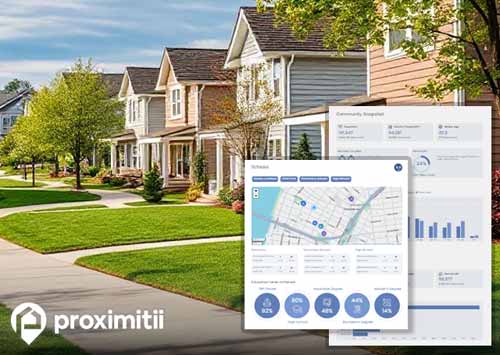
Getting a feel for the cost of living in Hoover is essential for anyone planning to relocate, as it empowers them to make informed financial decisions, secure a comfortable lifestyle and maintain financial stability in their new environment. The cost of living in Hoover is 111, which is 11% higher than the national average. Relocating individuals may need to adjust their savings and investment strategies based on the cost of living in the new location. It influences decisions about retirement planning, investments and financial goals.
When it comes to the cost of living in Hoover, housing costs are a real heavyweight, often hogging a significant chunk of your earnings. Sadly, in this area, housing expenses for both buying and renting were 51.5% more expensive compared to your average city. That means you'll be shelling out more for homes, rents, mortgage rates and insurance.
Is Hoover an affordable place to live? That's a valid question to ask when you're thinking about moving to a new city. After all, how much it costs to live somewhere can be a huge factor in your decision. Affordability can be broken down into 3 common categories. The cost of living index (we talked about it earlier), housing expenses and income levels all play a big role in figuring out if a place is affordable. For instance, in Hoover, the median home price is 64.5% higher than what most folks pay across the country, and monthly rent prices are 21.2% higher than the usual rates. Income levels in Hoover come in at $140,085, which is 72.2% higher than the national average.
Taxes: Areas with higher taxes, including sales taxes and income taxes, can contribute to a higher cost of living. Paying more tax for everyday household expenses like clothing and food will result in higher costs, as will paying a higher rate of income tax. The general sales tax rate in Hoover starts at 4% and the income tax rates start at 2%.
Groceries: Grocery prices have seen substantial hikes in the last 2-3 years, with some markets witnessing food cost increases of over 20% during this period. Conversely, certain markets have experienced only moderate upticks. These variations in food expenses can have a substantial impact on the overall cost of living in any locality. In Hoover, the groceries index is 5.4% lower than the national average.
Subsidies: Certain regions may provide government subsidies or assistance initiatives designed to alleviate the cost of living burden on their residents. These programs encompass a wide range of support mechanisms, such as Medicare, Medicaid, housing subsidies, low-income home energy assistance programs, school lunch programs, supplemental nutrition assistance programs, student loans, electric vehicle tax credits, affordable care act subsidies and farming subsidies. Areas with fewer subsidy offerings might experience an elevation in their cost of living.
The cost of living estimates displayed for Hoover are modeled using a U.S. average baseline of 100, helping provide a useful comparison of local living expenses. Housing calculations include U.S. Census home price and rental data, while all other values are AI-assisted estimates based on regional cost patterns, climate, transportation, and everyday spending expectations. These values are intended for directional comparisons across cities.

| Cost of living index | |
| Groceries index | |
| Health care index | |
| Housing index | |
| Transportation index | |
| Utilities index | |
| Lifestyle index | |
| Household index | |
| Educare index |
| Median Income | Per Year | Per Month | Max Budget (28% DTI) | Max Budget (36% DTI) |
| Owners | $174,287 | $14,524 | $4,066 | $5,229 |
| Renters | $76,003 | $6,334 | $1,773 | $2,280 |
| State | General Sales Tax | With Max Surtax |
| Alabama | 4% | 13.5% |
| State | Income Tax (Low) | Income Tax (High) |
| Alabama | 2% | 5% |
| City | Population | Cost of Living Index | National Avg. |
| Brantleyville, AL | 837 | 76 | 24.1% |
| Edgewater, AL | 852 | 82 | 18.5% |
| Brighton, AL | 2,939 | 81 | 18.8% |
| Mulga, AL | 786 | 83 | 17.1% |
| Lipscomb, AL | 2,120 | 82 | 18.3% |
| Hoover, AL | 88,027 | 111 | 11.4% |
| City | Population | Cost of Living Index | National Avg. |
| Bryan, TX | 88,156 | 97 | 3.3% |
| Duluth, MN | 87,821 | 98 | 2.1% |
| Repentigny, QC | 87,645 | n/a | |
| Bloomington, IN | 87,630 | 102 | 2.0% |
| Largo, FL | 87,579 | 99 | 0.9% |
| Hoover, AL | 88,027 | 111 | 11.4% |

 Here are the best places to live in Alabama
 Safest Cities In The US
 These are the largest cities in Alabama
 Most Dangerous States In The US