
| Index | Glasgow | Delaware | National |
| Cost of living | 115 | 107 | 100 |
| Groceries | 100 | 99 | 100 |
| Health care | 101 | 100 | 100 |
| Housing | 150 | 123 | 100 |
| Transportation | 100 | 99 | 100 |
| Utilities | 100 | 102 | 100 |
| Lifestyle & Entertainment | 102 | 102 | 100 |
| Household Items | 100 | 100 | 100 |
| Education & Childcare | 103 | 99 | 100 |
Are you thinking about relocating, but curious about the potential cost of living in Glasgow? Is it more expensive or more affordable than average? Based on the most recent report, the cost of living in Glasgow stands at 115, making it 15% higher than the national average. The cost of living directly affects the affordability of one's desired lifestyle. Knowing the cost of housing, transportation, groceries and other essentials in the new area allows people to gauge whether they can maintain their preferred standard of living.
Housing costs are a very significant part of the Glasgow cost of living index and generally encompass a large percentage of take-home income. Unfortunately, in this area, the housing costs for both homes and rentals were 50.3% more than the average city. This includes things like home and rent prices, mortgage rates and insurance.
Is Glasgow affordable? This is a pivotal question, especially when mulling over a move, as affordability carries substantial weight in your decision-making process. Factors such as the cost of living index (discussed earlier), housing expenses and income levels all contribute to a location's affordability. For instance, in Glasgow, the median home price is 53.1% higher than the national average and monthly rent prices are 43.8% higher than the typical rates. Additionally, the median income levels play a role in affordability, with Glasgow boasting a median household income of $140,381, 72.6% higher than the national average.
Urbanization: Larger, urban centers, known for their wealth of amenities and strong employment prospects, often exhibit an elevated cost of living, primarily attributable to the heightened demand for services and residential relocation. Consequently, this scenario leads to elevated home prices and higher rental rates. In contrast, sparsely populated rural areas or regions characterized by diminished demand typically provide a more limited array of amenities and experience slower job market growth, resulting in a more affordable cost of living.
Taxes: Cities that enforce higher taxes, covering both sales taxes and income taxes, can be a factor contributing to a higher cost of living. Paying more in taxes for everyday essentials like clothing and food inevitably leads to higher expenses. A higher income tax rate can further contribute to an overall elevated cost of living. In Glasgow, the baseline sales tax rate begins at 0%, and income tax rates start at 2.2%.
Subsidies: Some areas might offer government subsidies or assistance programs that help lower cost of living for residents. These programs can include anything from Medicare, Medicaid, housing subsidies, low-income home energy assistance programs, school lunch programs, supplemental nutrition assistance programs, student loans, electric vehicle tax credits, affordable care act subsidies and crop subsidies. Areas that offer less subsidies, could see an increase in their cost of living.
The Glasgow cost of living estimates above use a normalized U.S. average of 100 as the baseline for comparison. Housing values incorporate local home price and rental information from the U.S. Census, while all other estimates are AI-assisted and modeled using expected everyday expenses, local market trends, climate, and transportation-related cost pressures. The results are intended for practical city-to-city comparisons.

| Cost of living index | |
| Groceries index | |
| Health care index | |
| Housing index | |
| Transportation index | |
| Utilities index | |
| Lifestyle index | |
| Household index | |
| Educare index |
| Median Income | Per Year | Per Month | Max Budget (28% DTI) | Max Budget (36% DTI) |
| Owners | $138,941 | $11,578 | $3,242 | $4,169 |
| Renters | $106,522 | $8,877 | $2,485 | $3,196 |
| State | General Sales Tax | With Max Surtax |
| Delaware | 0% | 0% |
| State | Income Tax (Low) | Income Tax (High) |
| Delaware | 2.2% | 6.6% |
| City | Population | Cost of Living Index | National Avg. |
| Lincoln University, PA | 1,902 | 100 | 0.5% |
| Salem, NJ | 4,860 | 85 | 15.1% |
| Penns Grove, NJ | 4,920 | 95 | 4.7% |
| Carneys Point, NJ | 7,565 | 96 | 4.2% |
| Pennsville, NJ | 12,293 | 97 | 2.6% |
| Glasgow, DE | 15,967 | 115 | 15.4% |
| City | Population | Cost of Living Index | National Avg. |
| Pacific Grove, CA | 15,959 | 199 | 99.3% |
| Hueytown, AL | 15,979 | 89 | 10.6% |
| Summerside, PE | 15,987 | n/a | |
| Riverdale, GA | 15,944 | 92 | 8.4% |
| Sienna Plantation, TX | 15,994 | 124 | 24.3% |
| Glasgow, DE | 15,967 | 115 | 15.4% |

 Here are the best places to live in Delaware
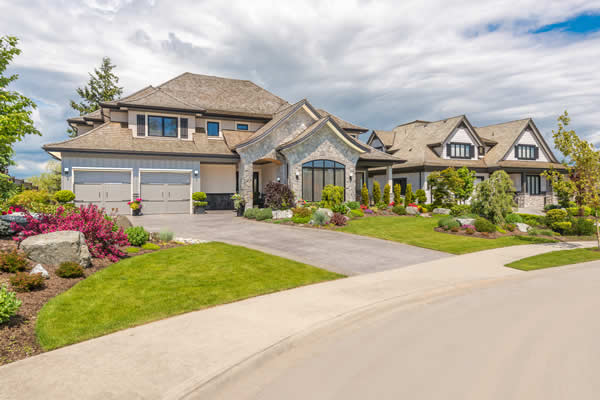 These are the 10 cheapest cities in Delaware
 These are the largest cities in Delaware
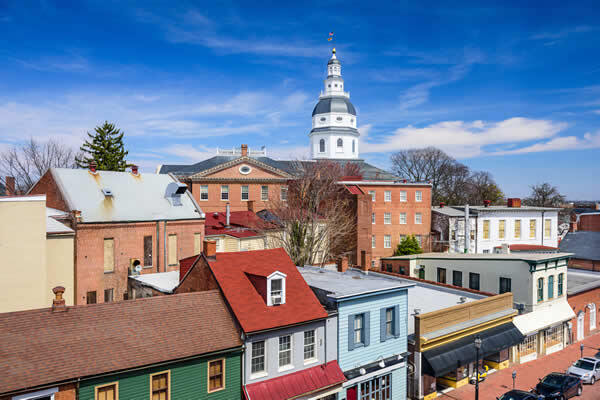 Safest States In The US