
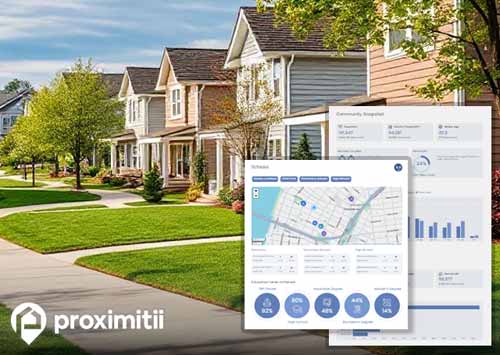
Eagle, Colorado is a small city with a population of 7,153 inhabitants. At 92%, the majority of the Eagle population is White; this is followed by 0% Black and 0% Asian. Additionally, more than a quarter of the population of Eagle are of Hispanic or Latino origin, and 21% of the population also speak Spanish. The median age of all Eagle residents is 32, which is well below the national average. This is a good indication that this city could be ideal for a younger demographic. Single men and women might be happy to hear that in Eagle, only 50% of the population is married. The average American spends about 26 minutes on their one way commute to work each day. Lower travel times can increase overall happiness and allow for more time to be spent with family and friends. While living in Eagle, your commute times will be about average, with a one way commute time of 24 minutes.
Without the right tools, moving to any new town can be very stressful and challenging. Living in Eagle, Colorado could be a great experience for anyone who puts in the time to do the research required. When searching for a new neighborhood, several key items should be considered. Safety is paramount, ensuring a secure environment for you and your family. Proximity to workplaces or schools reduces commuting time and enhances convenience. Access to amenities like parks, grocery stores and healthcare facilities contributes to a comfortable lifestyle. Reliable public transportation options promote easy mobility. A strong sense of community fosters social connections and a welcoming atmosphere. With useful information like amenities, cost of living, employment, housing and other key data points, finding the best places to live in Eagle and in the areas around Eagle is a much easier task.
With a livability score of 61/100, Eagle is ranked #17,075 in the United States and #226 in Colorado. If we take a closer look at each of the categories individually, we see that Eagle ranks well for crime (A+) and housing (A-). There are some categories that Eagle ranks poorly for, including: amenities (F) and cost of living (F). It might be worth taking a closer look to find out why.
Ensuring a sense of security is paramount for the majority of residents in any area. Low crime rates exert a positive influence on various aspects, including home prices, rates of home appreciation and the cultivation of positive community dynamics and social cohesion. In the case of Eagle, it boasts a notably low violent crime rate of 68 crimes per 100,000 residents, which significantly outperforms the national average.
Unemployment rates can vary significantly among cities, impacting job prospects, wage levels and the overall economic health of an area. In Eagle, the unemployment rate stands at 0%, suggesting increased job opportunities and a heightened demand for workers. This scenario can lead to higher wages, as the demand for employees outpaces job availability. Importantly, a low unemployment rate often signifies a robust and flourishing local economy.
For home buyers, real estate will be the largest purchase they will ever make and it will also be their most valuable asset. For renters, the monthly rent paid on their Eagle apartments will most likely be their largest expense. Based on tangible metrics like home and rental affordability and appreciation rates, housing in this area has received a score that is well above the average of every other US city. A thriving real estate market can also generate strong local economic activity and job creation.
Eagle real estate prices and overall affordability will play a huge role in determining if the area is the right fit for you. Of course there are probably some other items on your “wish list”, but even before they are considered, let’s take a look at the home prices and affordability in Eagle. Median real estate prices in Eagle come in at $1,058,716, which is 121.5% higher than the Colorado average. The home price to income ratio compares the median home prices to the median household income. In Eagle, the home price to income ratio is 6.9, which is 35.3% higher than the Colorado average.

| Statistic | Eagle | Colorado | National |
| Average one way commute | 24min | 25min | 26min |
| Workers who drive to work | 79.6% | 75.2% | 76.4% |
| Workers who carpool | 4.9% | 9.3% | 9.3% |
| Workers who take public transit | 0.0% | 3.1% | 5.1% |
| Workers who bicycle | 1.4% | 1.3% | 0.6% |
| Workers who walk | 0.6% | 3.0% | 2.8% |
| Working from home | 13.5% | 7.0% | 4.6% |

 Here are the best places to live in Colorado
 Check out the 10 most dangerous cities in Colorado
 Most Dangerous Cities In The US
 See the best places to live in Eagle