
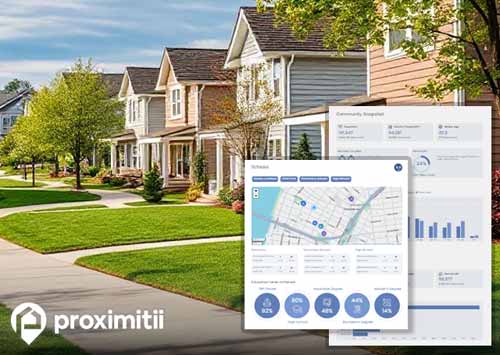
Richboro, Pennsylvania is a smaller city with a population of 8,683 people. Richboro is considered to be a city with an aging population. The average age of all residents is 61, which is well beyond the United States median age average. 85% of the people in Richboro (over the age of 15) are married and 21% have kids under the age of eighteen. Knowing that, it’s safe to say that this area could be a great place for other families to lay down roots. On a daily basis, the typical American spends approximately 26 minutes on their one-way work commute. Reduced travel times not only contributes to increased overall happiness, but also affords more opportunities to cherish moments with family and friends. If you're living in Richboro, your commute time will align closely with the national average, spanning a one-way duration of approximately 24 minutes.
Whether you’re moving to a new area to be closer to family, friends or for a new job, living in Richboro could be a positive experience compared to other cities in Pennsylvania if you know where to look. Don't forget to determine what matters most to you in a neighborhood. Consider factors such as safety, proximity to work or school, access to amenities (like parks, fitness facilities, grocery stores, restaurants), public transportation options, community atmosphere and the overall vibe you're looking for. The best areas in Richboro and in surrounding cities are easier to find when you are able to make informed decisions. Using data from amenities, crime, cost of living, employment, you will see a detailed breakdown of the most important information as well as comparisons to the Pennsylvania and national averages.
Using data and statistics Richboro has received a livability score of 71/100. This score is ranked in the 79th percentile when compared to all other cities. If we probe a little deeper into each category within the livability score, we see that Richboro has higher than average grades for the following: crime (A+), education (A+) and housing (A+). Richboro does not do well for the following: amenities (F) and cost of living (F). It might be a good idea to take a closer look at each category to find out why.
Unemployment rates can range pretty dramatically from one city to another. Knowing that Richboro has an unemployment rate of 1.5% could mean increased job opportunities with a higher demand for workers. It could also lead to higher wages, as the demand for workers exceeds the availability of jobs. Most importantly, it could be a sign of a healthy and thriving local economy.
Parents and families tend to prioritize school test scores when choosing educational institutions. Test score data can be a critical factor in evaluating and comparing schools. In Richboro, the average school test scores are an impressive 81%, well above the national average. This achievement reflects the educational system's dedication to providing students with the essential knowledge and tools for success. It ensures that your children will receive the support and resources needed to excel academically and thrive in their educational pursuits.
Real estate represents the most substantial investment for homebuyers, constituting their most valuable asset. Renters, on the other hand, typically see their monthly rent as their most significant expense. The Richboro market earns a high score in the housing category, surpassing the national average in factors like home and rental affordability and appreciation rates. This robust real estate market not only benefits individual homeowners and renters but also spurs vigorous local economic activity and job growth, solidifying its significance in driving the region's prosperity and financial well-being.
Richboro real estate prices and overall affordability will play a huge role in determining if the area is the right fit for you. Of course there are probably some other items on your “wish list”, but even before they are considered, let’s take a look at the home prices and affordability in Richboro. The median home price for Richboro homes is $683,206, which is 130.5% higher than the Pennsylvania average. If we take a closer look at the affordability of homes in Richboro, we’ll see that the home price to income ratio is 3.5, which is 5.4% lower than the Pennsylvania average.

| Statistic | Richboro | Pennsylvania | National |
| Average one way commute | 24min | 26min | 26min |
| Workers who drive to work | 83.5% | 76.5% | 76.4% |
| Workers who carpool | 4.2% | 8.5% | 9.3% |
| Workers who take public transit | 2.4% | 5.6% | 5.1% |
| Workers who bicycle | 0.0% | 0.5% | 0.6% |
| Workers who walk | 0.5% | 3.8% | 2.8% |
| Working from home | 8.9% | 4.2% | 4.6% |

 Here are the best places to live in Pennsylvania
 Check out the 10 most dangerous cities in Pennsylvania
 Most Dangerous Cities In The US
 See the best places to live in Richboro