
Pembroke Pines, FL, known as "The City of Progress," is a vibrant community with a rich cultural heritage and a strong sense of community. Located in southeastern Florida, Pembroke Pines is approximately 20 miles southwest of Fort Lauderdale and 25 miles north of Miami. This medium-sized city is celebrated for its beautiful parks, top-rated schools, and thriving business environment.
Pembroke Pines' climate features hot, humid summers and mild winters, ideal for enjoying outdoor activities year-round. The city boasts numerous parks and recreational areas, such as the scenic C.B. Smith Park and the expansive Pembroke Lakes Golf and Racquet Club, which offer hiking, boating, and opportunities for family picnics. The city's commitment to maintaining green spaces ensures residents have plenty of places to relax and enjoy nature.
The cultural scene in Pembroke Pines is dynamic, with attractions like the Frank C. Ortis Art Gallery and Exhibit Hall, the Pembroke Pines Theatre of the Performing Arts, and the Pembroke Pines City Center. The city hosts a variety of events and festivals throughout the year, including the ArtFest in the Pines and the Annual Holiday Parade, celebrating the community's artistic and cultural achievements.
Education is a priority in Pembroke Pines, with the Broward County Public Schools providing top-quality education to its students. The city is also home to campuses of higher education institutions such as Broward College and Florida International University. This focus on education makes Pembroke Pines an attractive place for families. The presence of major healthcare institutions, such as the Memorial Hospital West, also supports a strong job market and ensures residents have access to top-notch medical care.
Living in Pembroke Pines combines the benefits of urban living with the warmth of a close-knit community. Residents enjoy access to excellent healthcare facilities, diverse dining options, and a range of housing choices. The city's efficient public transportation system, including buses and proximity to major highways, makes commuting and exploring the area convenient. With its cultural richness, excellent amenities, and welcoming atmosphere, living in Pembroke Pines offers a dynamic and fulfilling experience.
Pembroke Pines is a mid-sized city located in the state of Florida. The city has a population of 178,777 inhabitants. Pembroke Pines has a population density of 5,413 people per square mile. This would be considered well above the national population density level. More than a quarter of the residents of Pembroke Pines identify themselves as Hispanic or Latino, and 41% of the population speak Spanish as their primary or secondary language. An important consideration when living in Pembroke Pines is the longer-than-average commute times. If you seek a short work commute, this area may not be the best choice for you. The one-way commute time here typically takes 32 minutes, far surpassing the national average of 26 minutes.
Are you trying to decide if living in Pembroke Pines is the right fit for your lifestyle? To ensure a positive experience before relocating to any new city in Florida, you will probably want to make sure that you check all of the most important boxes. Several key factors deserve attention. For one, safety is paramount, ensuring that your new area is low in crime is key. Proximity to workplaces or schools minimizes commute times and fosters convenience. Access to essential amenities like parks, grocery stores, food, fitness, shops and healthcare facilities enhances daily life. Efficient public transportation options provide mobility and connectivity. The sense of community creates a welcoming and supportive environment. Lastly, the overall atmosphere, encompassing the vibe, aesthetics, and lifestyle offerings, contributes to a fulfilling living experience. Considering these elements helps identify the ideal neighborhood for your needs and preferences. With useful information like cost of living, health & safety, employment, housing and other key data points, finding the best places to live in Pembroke Pines and in the areas around Pembroke Pines is a much easier task.
Pembroke Pines, FL receives 82 out of 100 for its livability score; this results in a ranking of #69 in Florida and #1,046 in the USA. Pack your bags! This is a very high score in comparison to other US cities. Living in Pembroke Pines could be a great choice! Pembroke Pines also ranks in the top 10 percent of all cities, which is no small feat! If we examine each of the categories individually, we see that Pembroke Pines ranks well for crime (B-), education (A-), employment (B+) and housing (A+).
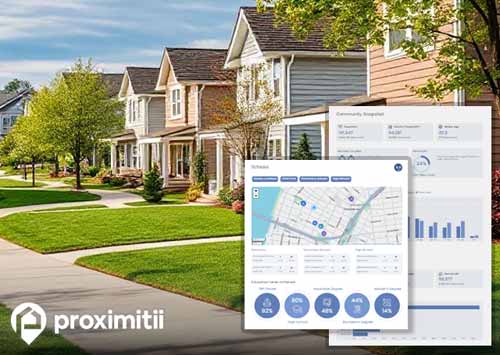
Test scores can be a good way to measure a school's academic performance and the proficiency of its students. They can be an important metric in deciding if the local area schools can provide a solid educational system for children. The schools in Pembroke Pines have an average test score of 69%, which is well above the US average.
A robust real estate market serves as a crucial economic indicator, reflecting the local area's strength, stability and the confidence of its residents. Pembroke Pines excels in the housing sector, scoring high marks based on factors such as median home and rental prices, appreciation rates and home affordability. These calculations suggest that the apartment rental and real estate market in the region is exceptionally healthy, highlighting the area's economic vitality and attractiveness to potential homebuyers and renters.
Pembroke Pines real estate prices and overall affordability will play a huge role in determining if the area is the right fit for you. Of course there are probably some other items on your “wish list”, but even before they are considered, let’s take a look at the home prices and affordability in Pembroke Pines. Median real estate prices in Pembroke Pines come in at $544,207, which is 81.6% higher than the Florida average. The home price to income ratio compares the median home prices to the median household income. In Pembroke Pines, the home price to income ratio is 5.3, which is 26.2% higher than the Florida average.

| Statistic | Pembroke Pines | Florida | National |
| Average one way commute | 32min | 27min | 26min |
| Workers who drive to work | 84.8% | 79.5% | 76.4% |
| Workers who carpool | 7.4% | 9.3% | 9.3% |
| Workers who take public transit | 0.7% | 2.1% | 5.1% |
| Workers who bicycle | 0.1% | 0.7% | 0.6% |
| Workers who walk | 0.4% | 1.5% | 2.8% |
| Working from home | 5.6% | 5.4% | 4.6% |

 Here are the best places to live in Florida
 Most Dangerous States In The US
 Check out the 10 most dangerous cities in Florida
 Most Dangerous Cities In The US